
MAHI Mahi are a migratory, pelagic fish with a worldwide distribution throughout the tropical and temperate ocean waters of the world. It’s hard to believe that mahi mahi have so many different names and in Hawaii this common name stands for, Strong-Strong fish! Another one of their popular names is dorado and its Spanish for gold! Then there is the name dolphin fish, which can be very confusing because they are not related to any marine mammal dolphins, which are not fish!
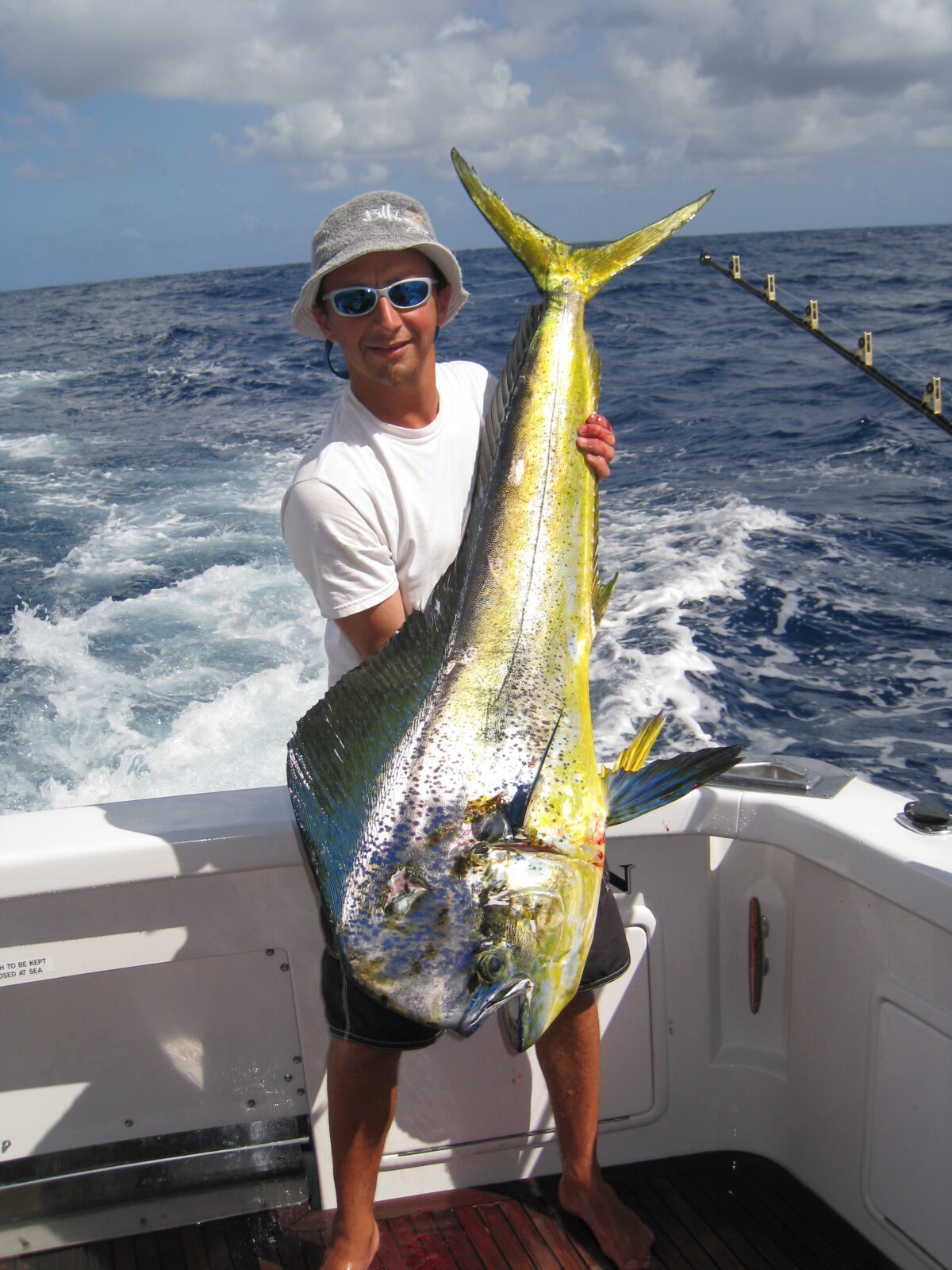
Then there is another member of the mahi family called the pompano and this particular one is slightly different to the regular mahi mahi’s and they’re mainly caught in the Atlantic and Mediterranean Oceans. The pompano doesn’t grow quite as big as the others and has a slightly compressed head, plus their dorsal fin extends right down the whole length of their body to the tail. Mature pompano males also develop a bulging forehead, but not quite to the size of the regular male mahis.
Like all of these mahis though, they are one of the quickest growing fish in the ocean and they can grow two to three inches (8cm) in length in just a week. They can put on around three to four pounds (over one kilo) in weight in under six months and up to and over ten pounds (five kilos) in their first year. Surprisingly they all have a very short life span and if they don’t get caught by fishermen or eaten by other sea predators, they only live to around two to three years.
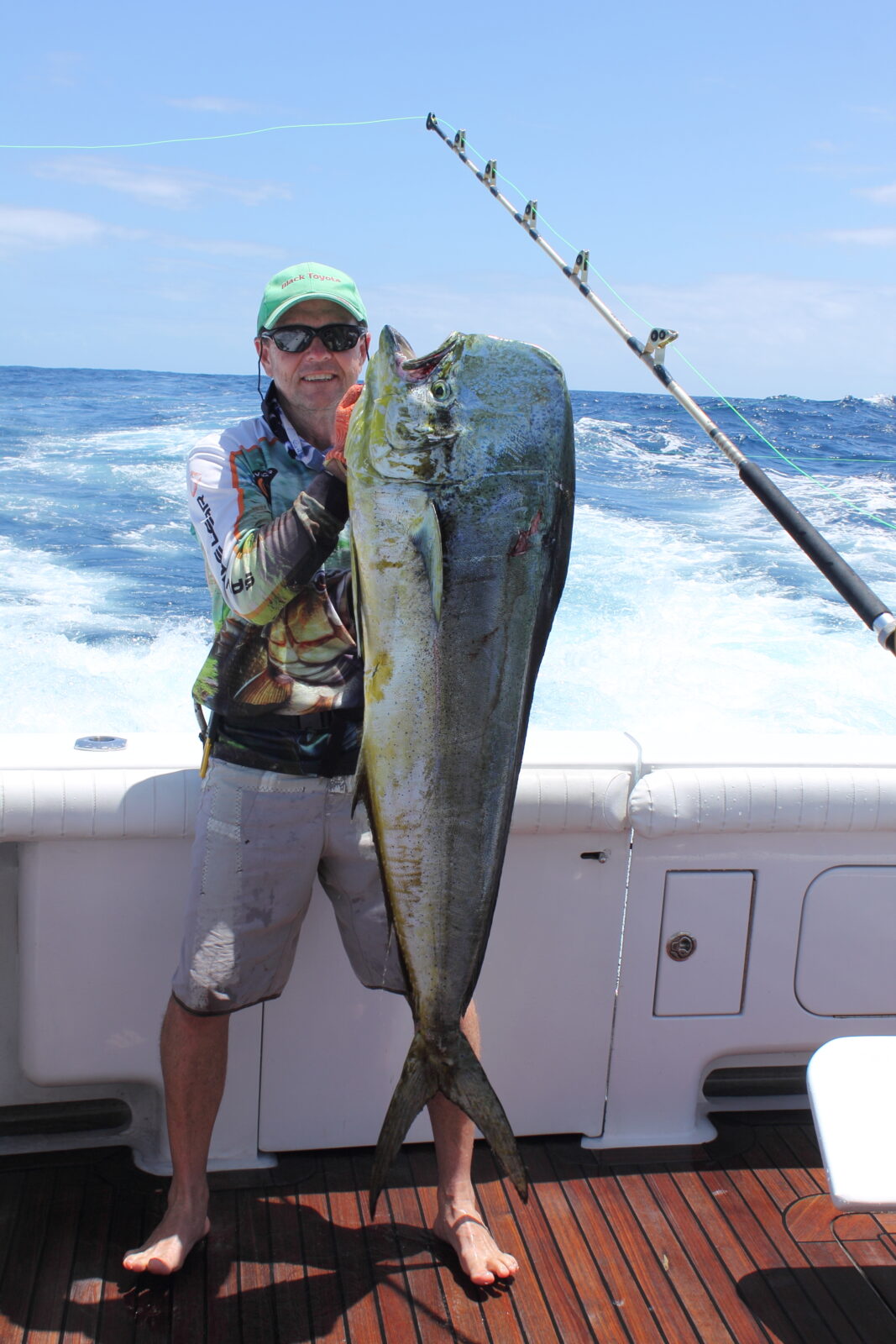
During all my travels fishing around the world’s best marlin hotspots I’ve caught and seen plenty of the common mahi mahi’s, but I never ever saw a pompano mahi until one day trolling for blue marlin off the Portuguese Island of Madeira in the Atlantic Ocean.
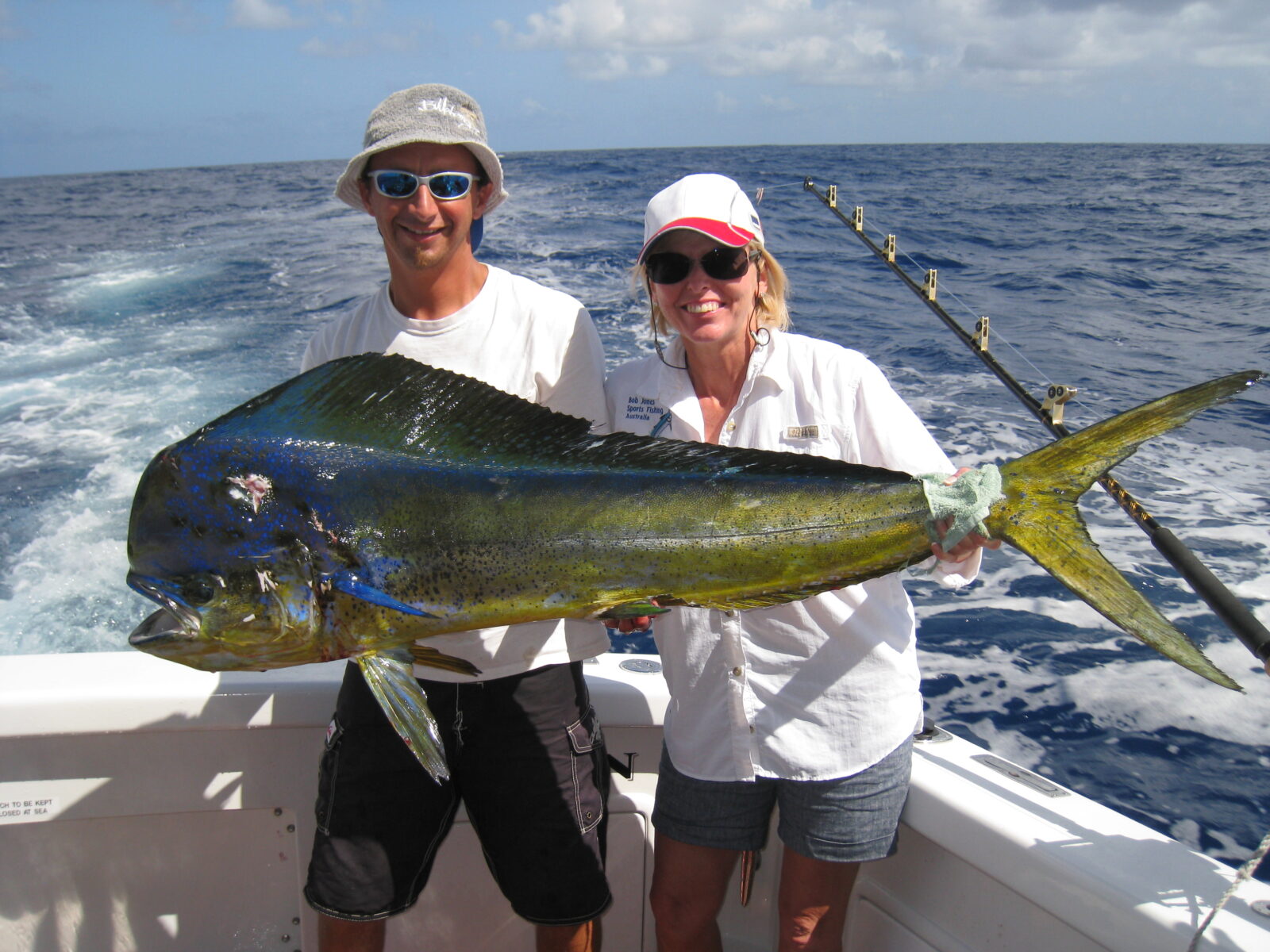
Like all of these mahis this colourful one jumped around in a crazy fashion when hooked and didn’t like it when we pulled it out of the water and laid it on the deck. It went absolutely berserk and a wet towel over the head quickly calmed it down and I was able to get a nice photograph of it with the angler who caught it!
This pompano was captured out in very deep water and not hiding or hanging around any surface objects or fads where most mahis are usually found. They all like the warm blue tropical currents over 21 degrees Celsius and often swim in schools when there in their smaller to medium sizes. Usually the larger ones and particularly the really huge males with their big bulging heads seem to be real loners.
Even when a vessel is trolling for marlin with four to six lures in the spread it’s usually only a single bite and hook-up made from a very large male mahi. I have never seen a double or triple hook-up on one of these real giant males and for some strange reason they seem to always be just one out? Hooking one of these huge mahi’s can be a real experience and in the cobalt blue currents where you find one the emerald green and gold colours when their swimming close to the boat will absolutely blow you away.
WHERE TO FIND MAHIS
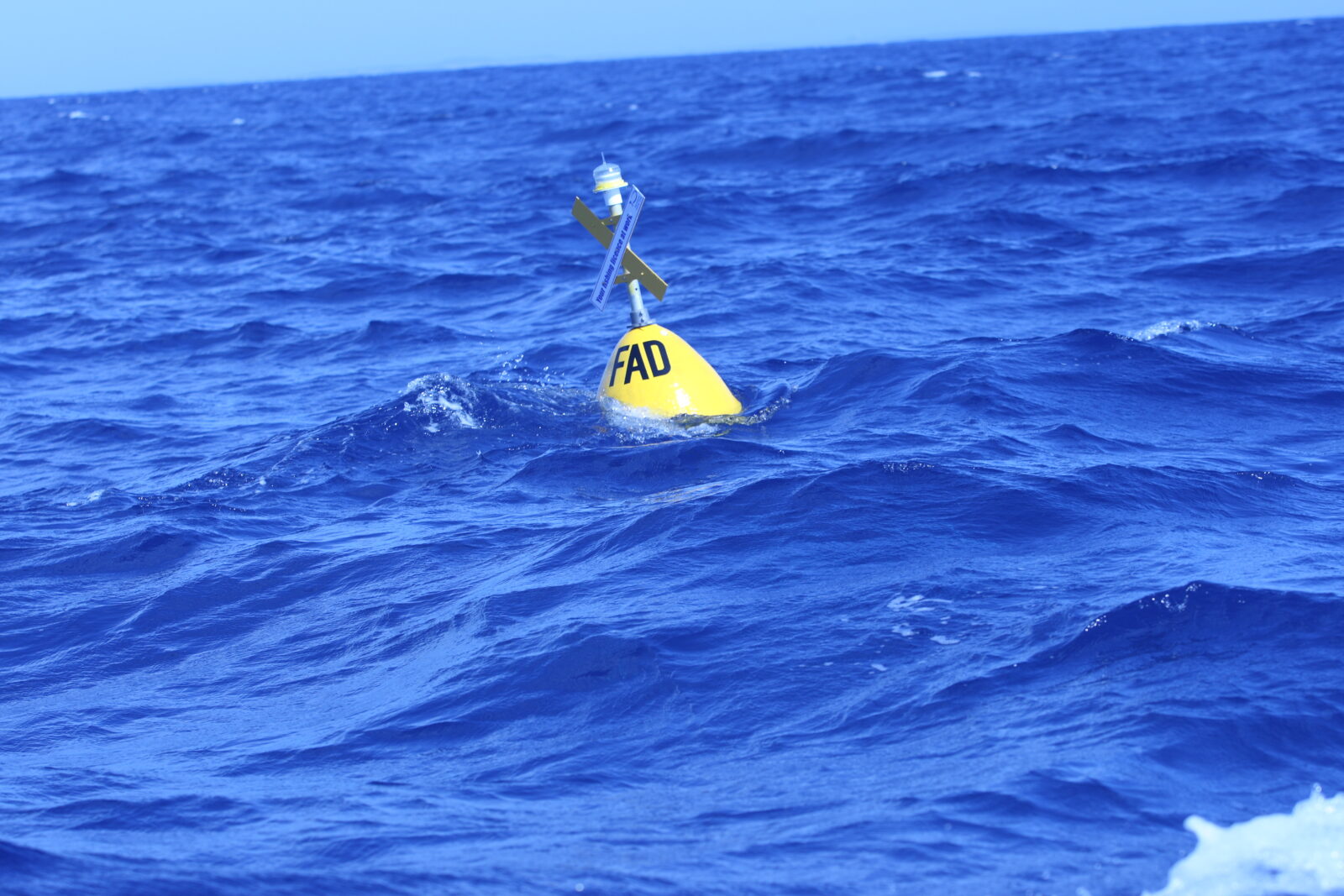
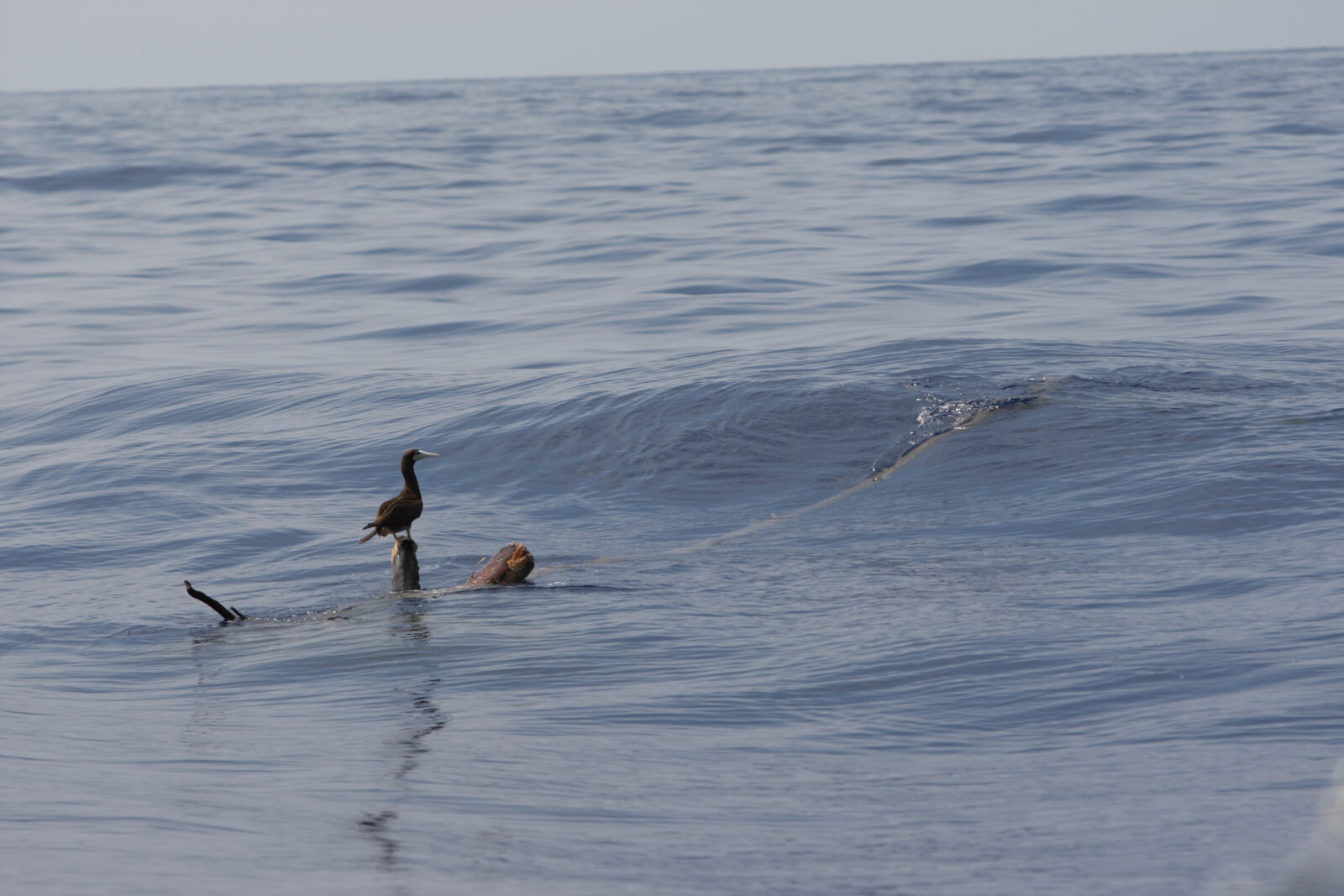
Normally the best places to find them is around any floating object like a Fad (fish aggregation device) or just an old log or even a palm frond and dead tree branch. One time in the Atlantic Ocean off Madeira we came across a large floating shipping container and luckily, we spotted it just in time as we could have run over it. The damage to the vessels underwater running gear could have been a disaster.
The container was nearly fully submerged and only a small part of it was rising up and down out of the water with the movement of the swell. It must have been in the water for quite some time as it was covered with plenty of marine growth like weed and shell. The amount of small fish hanging around it was amazing and off course there were heaps of medium size mahi’s cruising around as well. We slipped out a couple of small lures to troll which quickly secured a nice feed of fresh fillets for dinner.
These mahi love all kinds of lures, big and small and another fun way to catch them is to pull up near whatever object you find and cast lures like metal jigs or weighted soft plastics around it. You will find many times though using this casting technique the mahi’s will wake up to the jigs after you’ve caught one or two and stop biting.
Another trick if this happens is to switch over to fresh bait and the best is always whole pilchards. If you don’t have any pillies onboard, sacrifice one of the smaller mahi’s you have already caught and cut off a fillet, then slice it into long thin strips. Fresh tuna strips will also work as well. Sometimes adding a little bit of lead weight like a small ball sinker to the bait and casting it well out and letting it sink down deep will often get a bite as well.
EATING QUALITY
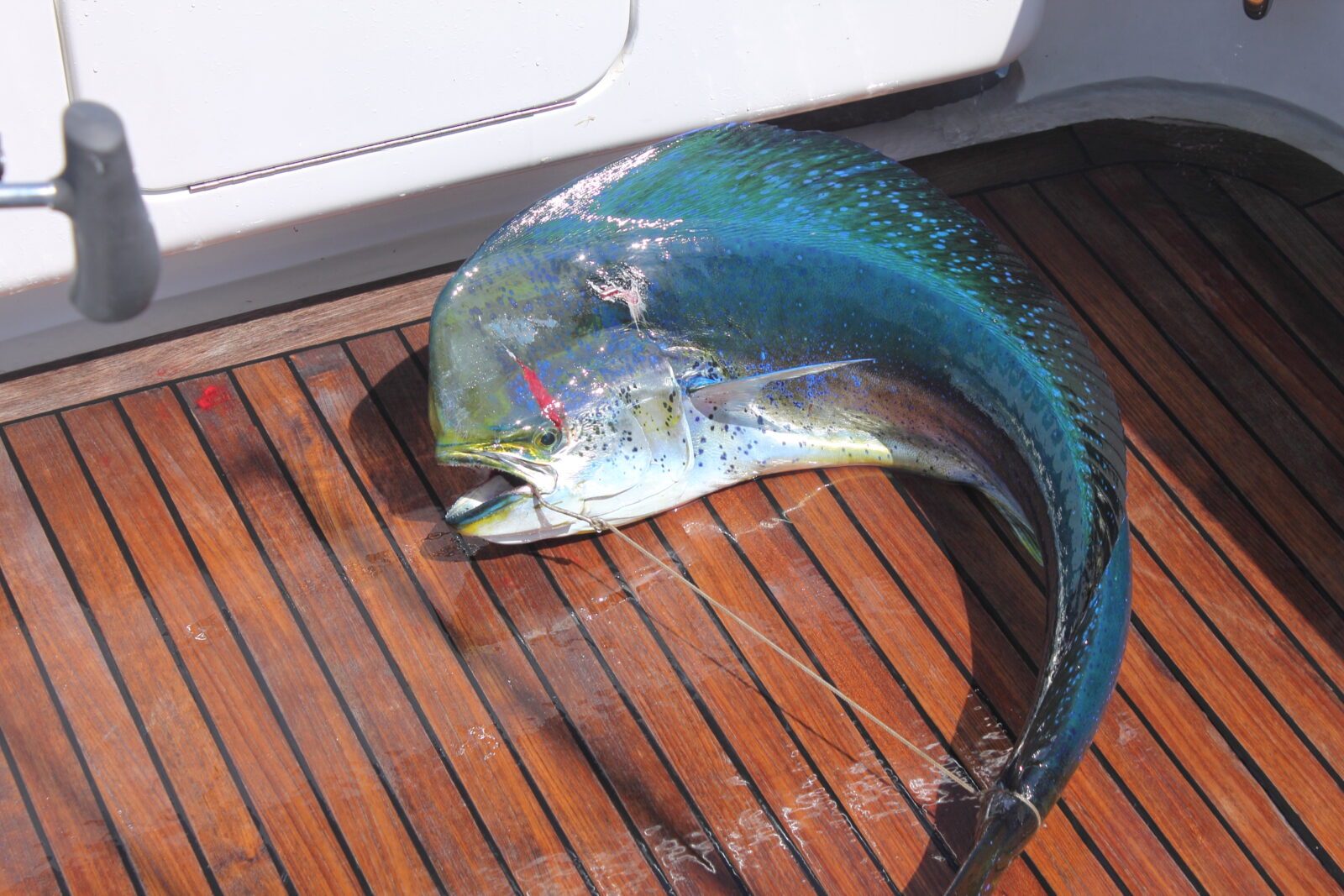
If you plan to keep one for the dinner table try to stop it from thrashing around on the deck which will damage the flesh. A thick wet towel over the head will work and holding the tail up and bending it over firmly will also help. The way the Hawaiians secure them quickly is with a short length of strong cord with a lasso for the tail on one end and a hook on the other end for the corner of the jaw. (like in the photo) Always bleed them quickly as well by cutting right through the throat latch and icing it down quickly in a fish box or ice bag is also important.
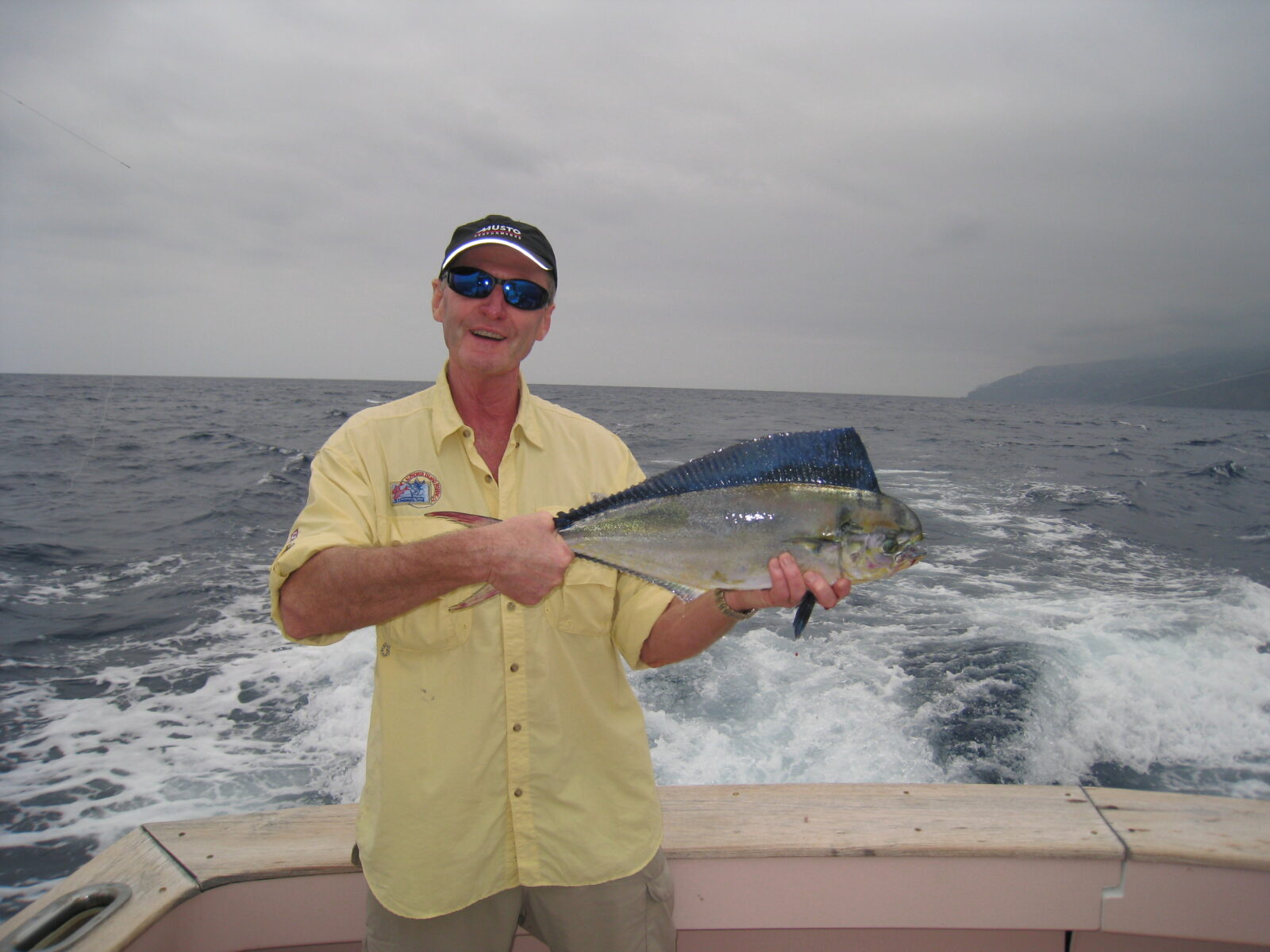
ABOVE: A beautiful pompano mahi.
Mahi mahi are regarded as an excellent eating fish world-wide and many of the top seafood restaurants in places where these fish are abundant will serve them up in many different and interesting ways. Over in Hawaii for example, Mahi Mahi are always on the menus where ever you go and one popular way its served up is in Taco shells. These firm white fillets make awesome tacos with lettuce and various salad dressings. Fillets cooked quickly on a hot-plate or over red-hot BBQ coals can also make a great dish served up with hot chips and mixed salad.