
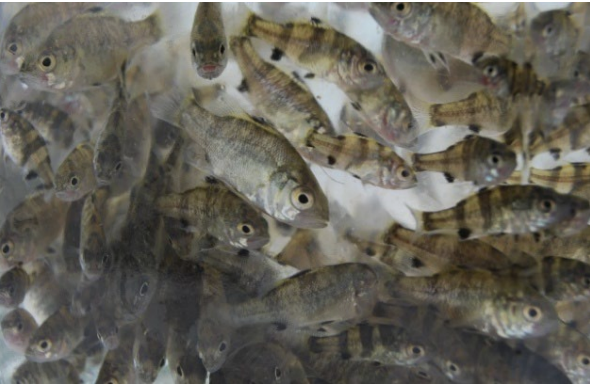
OVER the past 13 years, the Victorian Fisheries Authority (VFA) has stocked around 2.5 million estuary perch fingerlings into 30 Victorian waterways including lakes, rivers, estuaries, and impoundments. Prior to this, estuary perch breeding was experimental in nature with limited breeding and stocking success.
This all changed in 2012 as VFA worked with recreational fishers to collect broodfish and send these broodfish to a marine hatchery facility in NSW. After a few years of trial and error, the production recipe for catching, transporting, and breeding estuary perch was developed and large-scale stocking became a reality. It’s one thing to stock estuary perch, but how do they know if they are surviving, growing and most importantly contributing toward a recreational fishery?
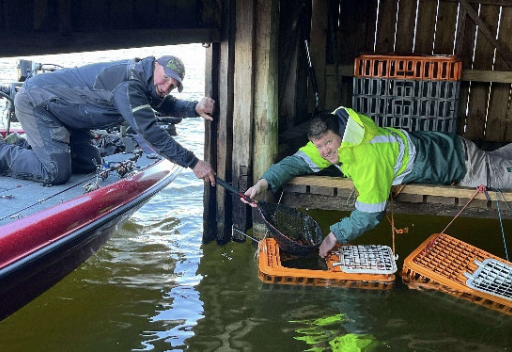
In partnership with Deakin University, Austral Research and, with a grant through the Recreational Fishing Licence fund, 10 stocked estuary perch waters were recently surveyed. Using a combination of electrofishing and netting and guided by local recreational fishing knowledge, estuary perch were collected for examination to determine age (and how this corresponds to stocking years), growth rates and fish condition. All of this tells us how stocked estuary perch are performing in each water, and into the future, which waters are best suited to creating an
estuary perch recreational fishery.
Through this survey, researchers caught hundreds of estuary perch and are still processing samples and analysing data. The full results of this survey are expected in the next few months, but VFA can share some interesting observations to date. The biggest estuary perch was caught
in the Werribee River estuary, measuring a whopping 47cm (1.7kg). It’s interesting because estuary perch in this river were stocked in the freshwater reaches and some may have migrated over the wall during a flood? More broadly and based on the surveying effort, it appears good numbers of
stocked estuary perch were present in Devilbend Reservoir, Albert Park Lake, as well as the Maribyrnong, Werribee, and Barwon rivers. This seems to reflect angler feedback of quality estuary perch catches in these waters.
VFA said it acknowledges the effort and goodwill of recreational fishers who have volunteered their time in support of our estuary perch breeding and stocking program. In particular, VFA honours the contribution of Doug Phayer who recently passed away from a long-term illness. Doug led the perch search team from the start, and we celebrated his outstanding commitment at the last perch search event on the Glenelg River. VFA also thank many recreational fishers who helped guide our
researchers to where the fish were: Brad Hodges, Kevin Baldwin, Nic Tribonias, Connor Jackson and Silvio Grech.