
MANY successful fishing trips can be attributed to a concise and focussed pre trip routing that runs considers the target species, locations being fished, gear and tackle review along with amenity and weather considerations to name a few. On the flipside however, Murphy’s law will often reign if you happen to hit the water without any preparation. I follow the same routine on almost every trip and dial up or down the amount of time spent preparing based on how challenging or variable the fishing or conditions might be.
Weather check
The first thing I check prior to any trip is the prevailing weather conditions. The Bureau of Meteorology (BoM) website has several local and coastal waters forecasts that are not always perfect but give a good indication of weather patterns and expected conditions. They update their forecasts multiple times per day, so it pays to check the site frequently for the most recent update. Sites like Seabreeze are also useful as they too give both forecasts and live data.
One of the interesting things with Seabreeze is that can track the movement of any significant adverse weather as it moves up or down the coast past the various monitoring stations. For me wind is a key adversary when out on the water; strong winds make boat fishing tough and potentially dangerous in open waters and I hate battling the wind. If rain is forecast then a good quality set of wet weather gear is packed, especially if it happens to coincide with the cooler months or an unseasonable cold snap!
Check and pre-rig outfits
Tackle failure happens for a number of reasons however the most frustrating is when you arrive at your destination to find your reel seized, terminal tackle rusted, line under spooled or any one of many issues that renders your rig or rigging useless.
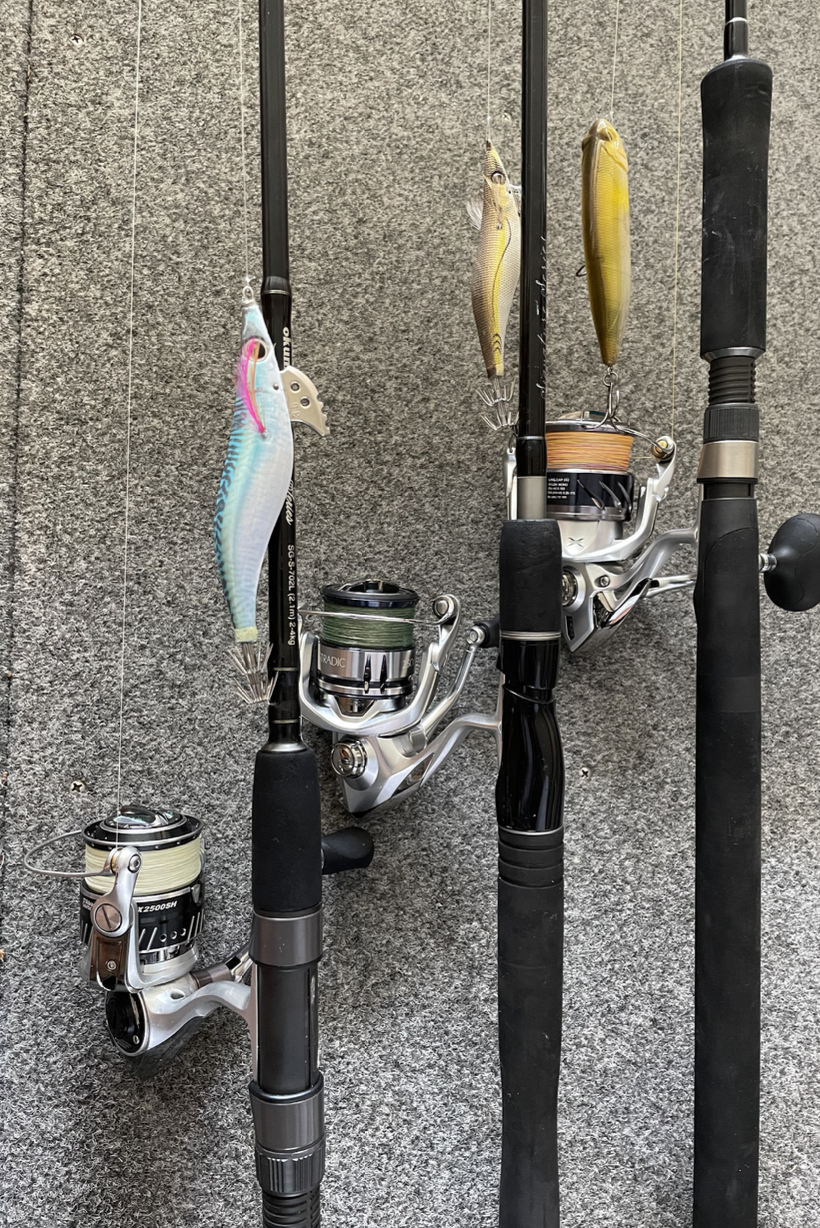
The second thing I do after checking weather is to check and prepare the outfit I plan to take. I cut off any old leaders, check the first few metres of braid for abrasion, wind the reel handle, test the drag setting and look over the entire outfit. I will then retie new leaders on all outfits and rig them so they are ready to go. I like to have at least one or two backup outfits rigged and for the primary form of fishing plus another opportunistically rigged outfit with a casting lures or jig that can be used if a school of fish pop up suddenly.
Rigs and lures
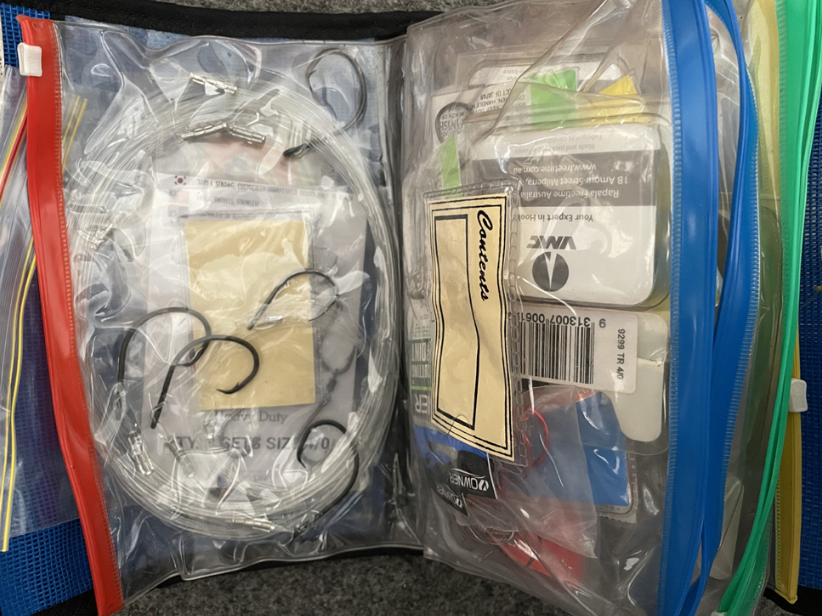
Ensuring you have ample rigs, premade and ready to use is a guaranteed way of minimising downtime when fishing. I typically go through the tackle requirements for every trip and check to ensure all terminal gear like hooks, swivels and sinkers are appropriate, in good order with plenty of spares in different sizes.
If fishing with lures I’ll make sure I have enough soft plastics, jig heads, jigs or hard bodied lures for the variety of fishing and conditions that might be encountered. I try and have different tackle bags or storage containers for each of types of fishing and species pursued. A recent winter trip had a tackle bag filled with three boxes of squid jigs plus leader and accessories for squid.
Another bag had a soft plastic assortment with a dozen or two packs of soft plastic lures from three to five inches plus a box of jig heads from 1/8 oz to 1/2 oz, plus a tube of scent, braid scissors and a few spools of leader from 8lb to 20lb. I also took a tray of minnow and casting lures in the event of any surface activity. Being pre rigged and ready to go meant I was able to start squidding immediately after arriving whilst my fishing buddy spent the first 10 minutes rummaging through his single and someone disorganised backpack looking for a suitable jig and leader. I landed a squid on the first cast and hooked a second before he had finished rigging!
Safety, clothing and first aid
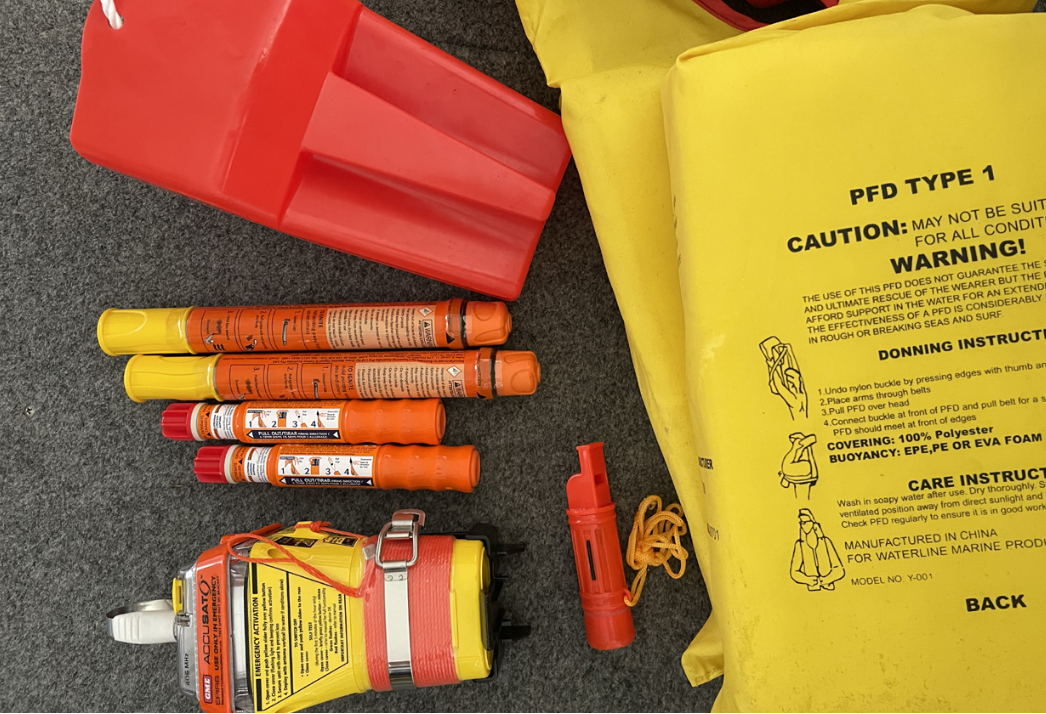
Before heading out on any trip you must ensure you have the appropriate safety gear. States and territories have different legislations and here in NSW an appropriate lifejacket is required by law when rock fishing certain areas or if travelling in open waters or at night in smaller vessels. Make sure that all of your safety gear is in good order and within expiry periods. If you have an EPIRB, make sure you register the beacon with AMSA.
Packing the right clothing seems logical however having the right attire for the conditions requires more thought than stuffing a hoodie into your backpack. In the colder months, the risk of hypothermia on extended trips or in remote locations can be very real so it pays to invest in high quality outer layers that keep you warm and dry in the cold, wet months or cool and protected from the sun in summer. Wet hands that have softened can be easily knocked about if grabbing a leader, fish or even tightening braid knots so a good set of light gloves are useful, especially if dealing with bigger fish. I used to laugh off minor cuts and abrasions till a relatively innocuous scrape on my foot turned into an infection and required hospitalisation. Accidents can happen even if you’ve taken the utmost of care, so it pays to pack a decent first aid kit in the car or boat to have on hand if needed.