
ONE of the talking points that I see regularly discussed, involves the technique and speed required to effectively work a fly or lure. There are many factors that come into how you fish a lure.
Most lures are designed for a specific purpose and retrieve speed so trying to vary that will usually see the lure not working to its best. Trying to crank a soft plastic prawn back at warp speed doesn’t work and working a metal slug slowly with rod action is also usually a waste of time.
Quite often the determining factor is the species being targeted. You wouldn’t fish a high speed metal lure for flathead just as you wouldn’t fish a soft plastic crab for tuna. All species that sportfishers target have a range of food that they hunt and eat and a well tuned system of catching that food. Some are high speed pelagic predators that feed on baitfish and are quite susceptible to metals and plastics retrieved at pace.
That doesn’t mean you won’t catch them on a slow retrieve with the right lure or fly. I’ve caught many longtail tuna by slowly working a 5 inch ZMan plastic down deep and even on a dead drifted fly. If the high speed retrieve isn’t working I’ll often work a plastic or fly deep and slow. Rule number 1 – select the right lure but don’t be afraid to mix things up if the standard lure and retrieve speed isn’t working.
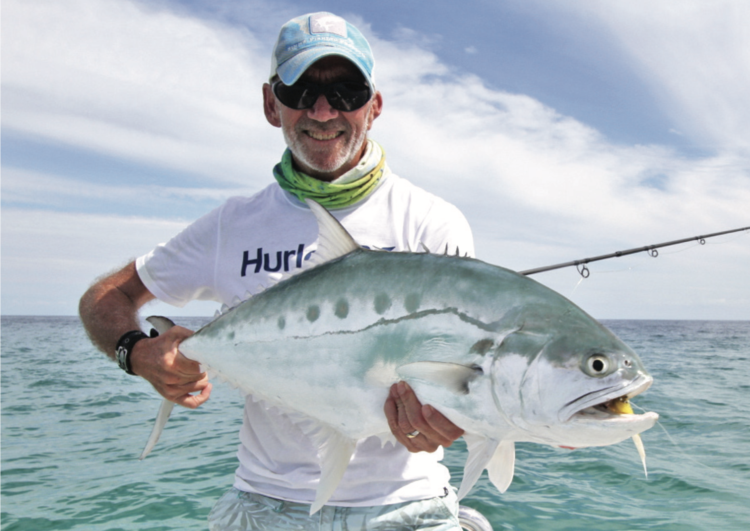
We’ve caught the odd big queenfish while throwing plastics at tuna in Hervey Bay but to target queenfish successfully you really need a lure that bloops and splashes on top. They are very fast predators and will follow and look at most lures but if that lure splashes and breaks the surface at speed like a popper or stickbait you’ll convert those follows into spectacular eats. Having said that we’ve also caught them on fly using a medium strip.
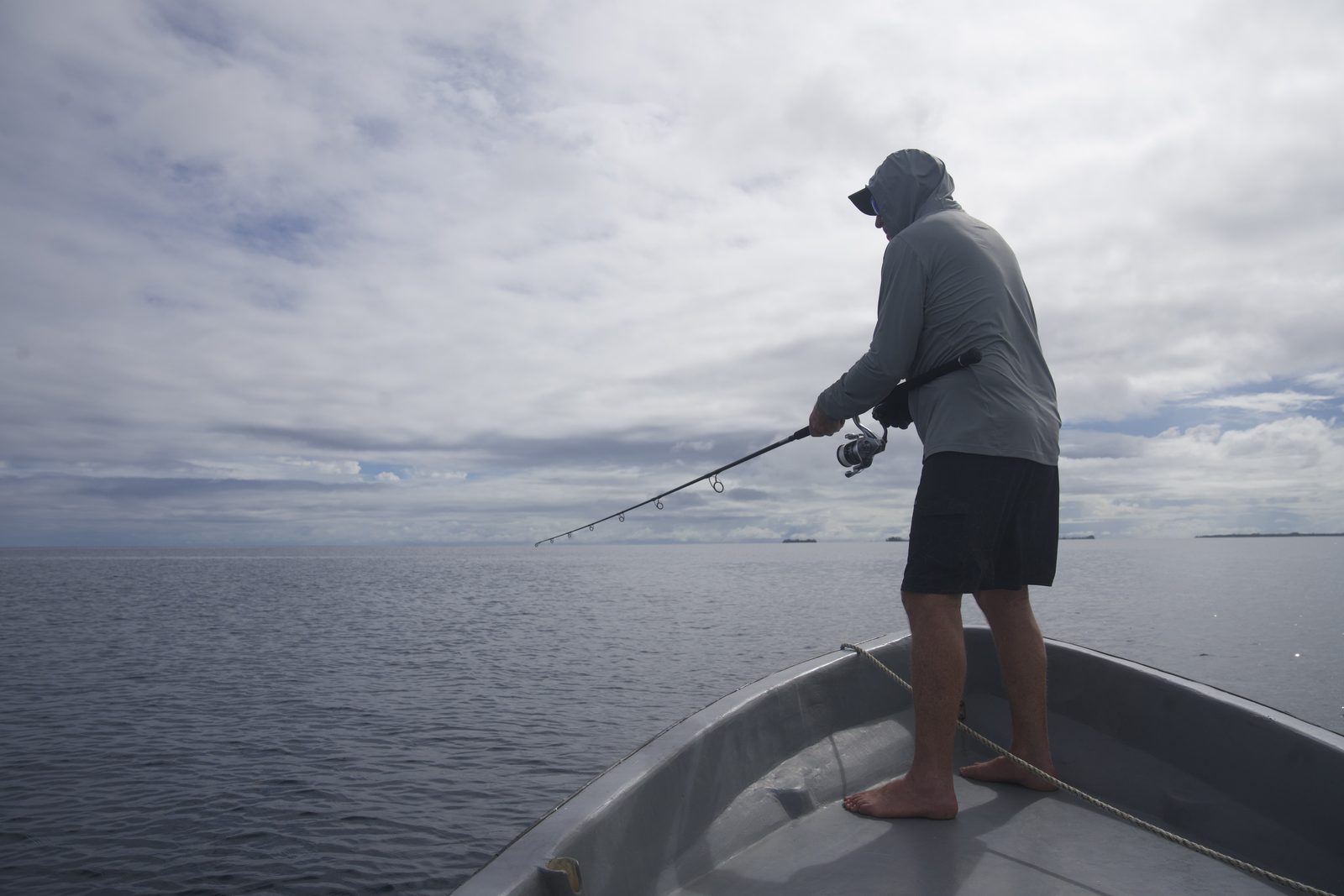
How you work a lure usually comes down to the lure design. They are all designed for a purpose so if you want to vary the speed or rod tip action you usually have to change lures. There is no place where this is more critical than estuary fishing for bream, whiting, bass and flathead. I can’t say that I’ve ever caught a bream on a fast retrieve. They’re an aggressive predator at times but a slow twitch or “do nothing” retrieve seems to be their undoing on most occasions.
A lightly weighted soft plastic or suspending minnow worked slowly with soft rod tip twitches is a great choice. Leave it sit and slowly sink or even a short sharp twitch now and then. Same with flathead. They sit in ambush on the bottom so the lure needs to be down near the bottom and worked slowly where they can see it. Rule number 2 – get that lure in the zone and work it slow for some species.
Lure action also plays a part here. All lures are designed to be retrieved within a certain speed range. Too slow will see a loss of action or it sinking. Too fast will usually see it spin or break out. Diving minnows are a classic case. They can be worked slowly and with rod tip action but crank them back at speed and they’ll usually spin or break the surface.
My favourite minnows are suspending types that I work with a slow roll or do nothing retrieve. This keeps them in the zone and has them acting like a wounded or distressed baitfish. Having that lure imitate the available bait source is vital. It needs to look and act like something your target species would be likely to see and eat. Rule number 3 – always work a lure as it’s designed to be fished and make it look real.
Now having said I’m a big fan of the slow roll, rod tip twitch and do nothing retrieve, I must admit that it does often involve a little slack line between the rod tip and lure. In some cases, this can lead to missed hook ups and short strikes. We’ve experienced this when chasing snapper on plastics and getting hit on the drop.
These days I always keep tight to a sinking lure and feel for the slightest hint of a nibble. You’ll normally get a better hook up ratio by keeping a tight line to any lure and winding it back at speed – even if it’s a slow speed. Sometimes that faster speed may just get a response from a fish that thinks its food is about to escape. Rule number 4 – try and keep in touch with the lure and feel for any sign of an eat.
There are just too many variables when it comes to lure selection and how you work it. In the past, I’ve spent many hours honing a technique only to have it all blown out of the water when a fish is caught doing the polar opposite. These days I take a lot of time when it comes to lure selection and I work hard to have any lure or fly act like I believe the target species would expect to see. There are four rules above that I use but the fifth rule is “don’t make any rules” because there’s always the exception that will do your head in.