
SOUTH Australia’s devastating micro-algae bloom, which decimated vast stretches of coastline for much of last year, appears to be subsiding – at least in the heavily-affected waters of Gulf St. Vincent. Rarely, if ever before, has an environmental phenomenon wreaked so much havoc on our inshore ecosystems, causing massive loss of marine life and ripping millions of dollars from industries that rely exclusively on fishing, boating and coastal accommodation.
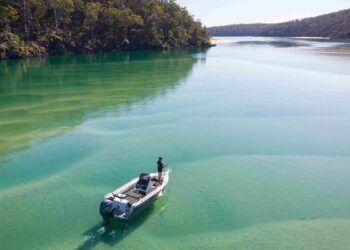
For months on end Adelaide’s boat ramps were empty, but since the onset of summer a significant change has been evident. Previously murky, foamy Gulf waters have slowly, but steadily begun to clear. Scientists monitoring water quality have started to note a gradual decline in the micro-algae count, particularly throughout Gulf St. Vincent, and now predict that things are returning to some sort of normality.
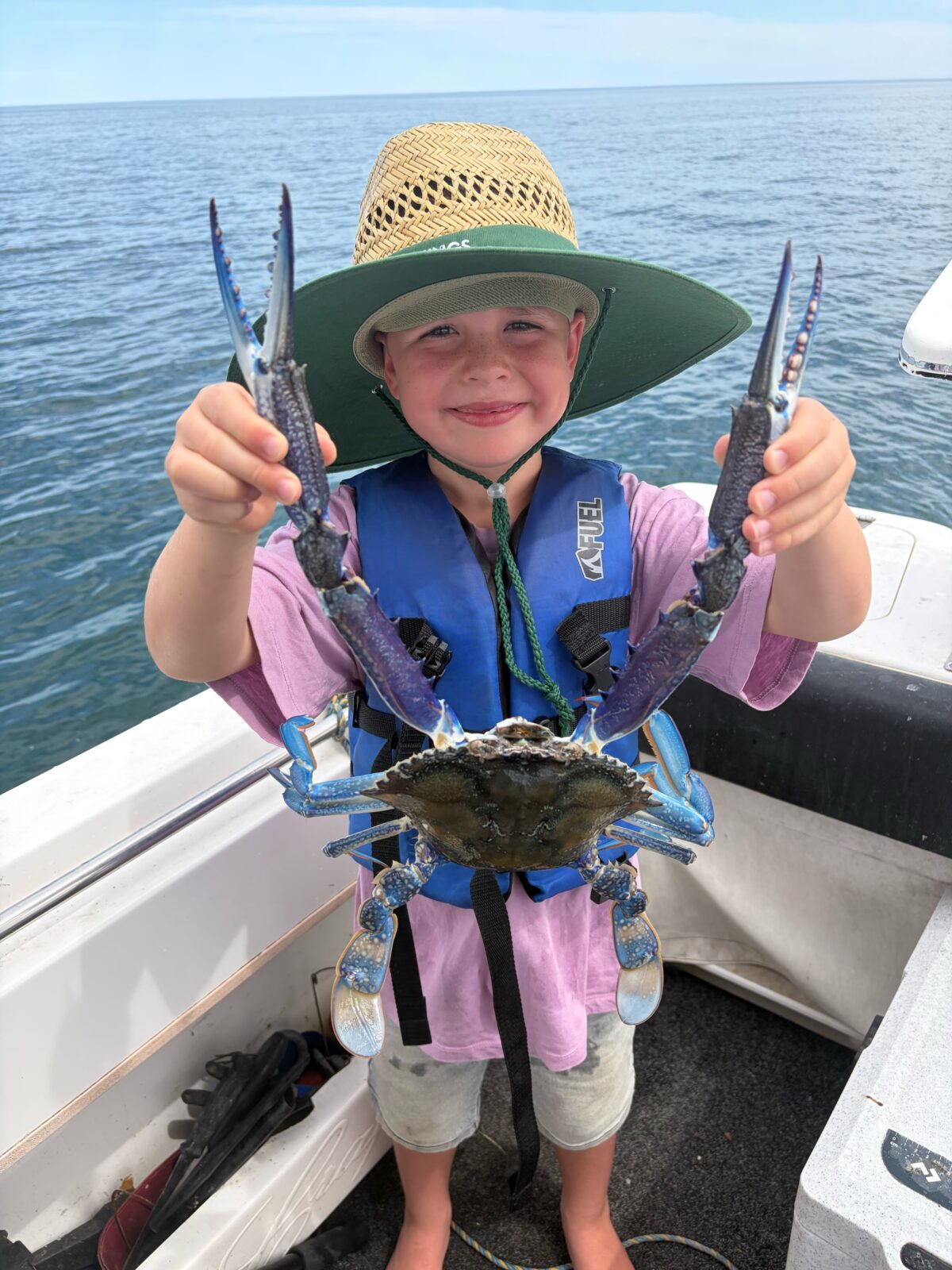
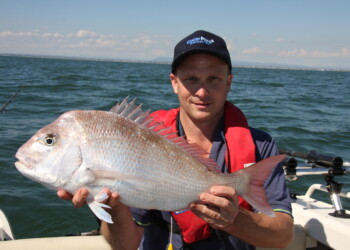
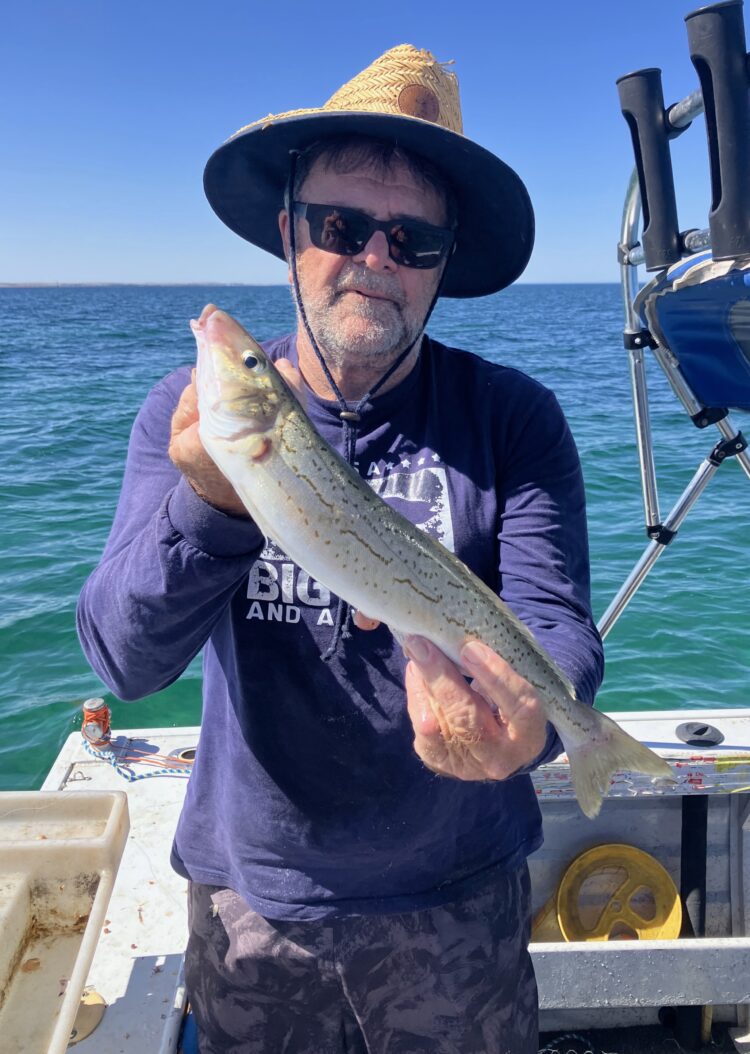
The King George whiting are back, with numbers rebuilding steadily, as are our beloved blue swimmer crabs. Also, we are now seeing an unprecedented aggregation of baitfish along Adelaide’s metropolitan foreshore. Literally millions of frogmouth pilchards have entered the Gulf, and with them have come vast schools of Australian salmon, providing entertaining light tackle action for metro anglers.
School bluefin tuna are beginning to arrive around the Fleurieu Peninsula and Kangaroo Island, and there’s every chance they will push up into Gulf St. Vincent to capitalise on the unusual baitfish numbers.
It’s been tough for everyone who fishes, and particularly those who earn a living from it, but at least there’s now some light to see at the end of a very dark tunnel. We can only hope this trend continues!