FISHING hooks have seen some extensive developments over the years. What started out as a fairly simple bent piece of wood or bone centuries ago, has transformed into engineering works of art in the past few decades. I can remember live baiting from the rocks in the late ’70s and using Suicide 6/0 or 8/0 hooks for yakkas or slimy mackerel.
The old Mustad Suicide was a damn good hook back then; mainly because there was bugger all around to compete with it. With a bit of filing it ended up being a sharp, solid and cheap hook that accounted for many a tuna and kingfish. Years later we found ourselves using the Mustad 7699 Sea Master hooks for live baiting.
They were a forged, kirbed and galvanised hook that was about 5 times the price of a Suicide. They are still available today in a Duratin finish. Back then hook technology and choice was fairly agricultural to say the least. There wasn’t a great deal to choose from, they weren’t chemically sharpened and they came in galvanised, chrome or bronze finish.
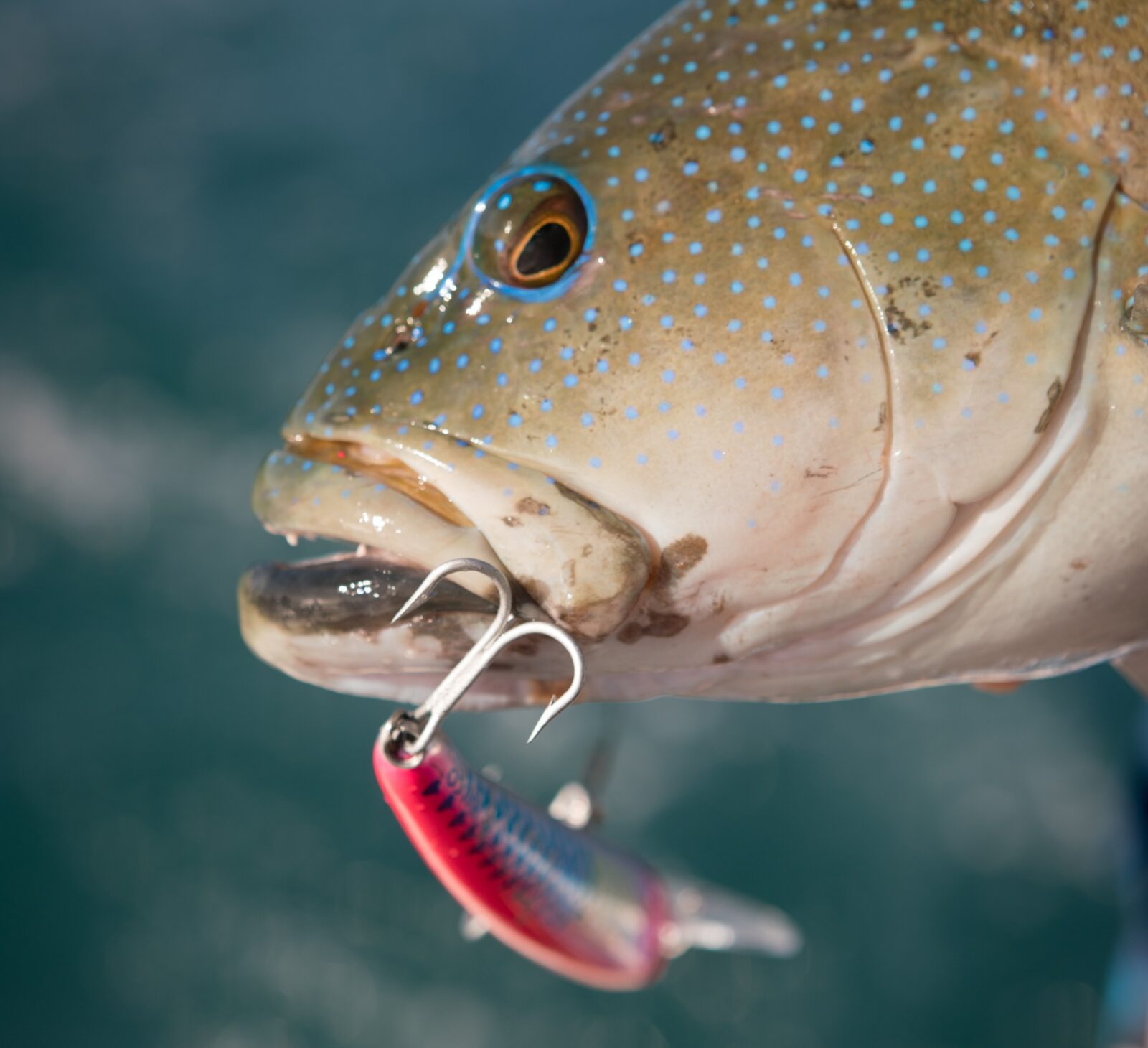
The chrome and bronze finish never lasted long and they all ended up rusty in a short time – mainly because no one took the time to wash hooks or keep saltwater out of tackle boxes. The old Suicide has been replaced with what manufacturers call the Octopus hook these days and they are still a very popular hook for bait fishing. It really is a classic hook shape that has stood the test of time. However, it’s lure fishing hooks that have really benefitted from engineering, design, materials and manufacturing techniques over the past two decades.
I’m old enough to remember when there were only two or three hook manufacturers and the trebles on offer were all in a bronze finish, blunt as and only came in one thickness. No one had even thought about treble weight on diving lures and how effected their action, buoyancy or sink rate.
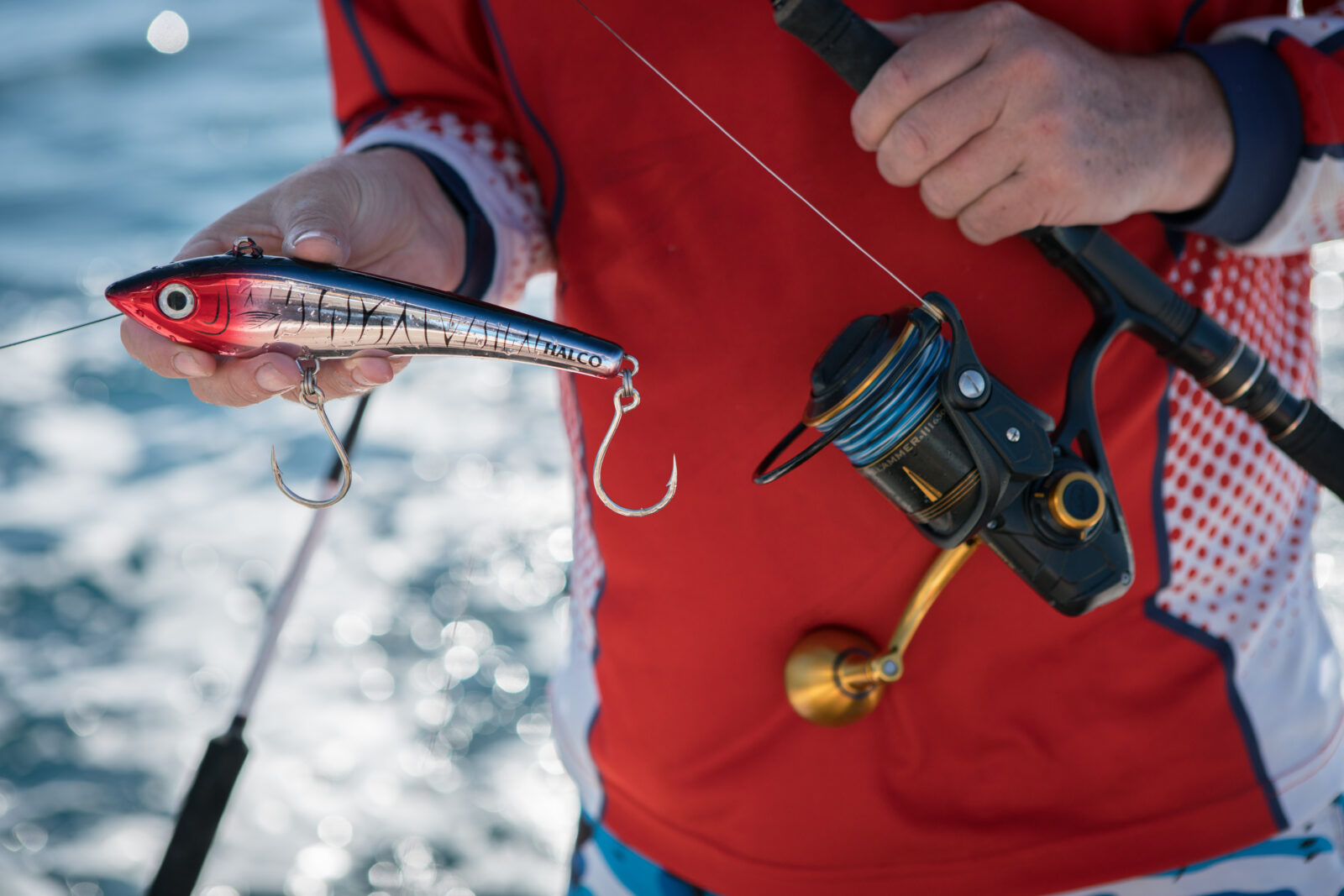
You just fitted a couple of trebles that looked about the right size and if you were really keen you might give the points a touch up with a stone or a file. They were rusty after a couple of trips and usually stayed that way until the lure was lost or relegated to the bottom of the tackle box. How things have changed. In 2005 Forbes rated the fishing hook 19th out of the top 20 innovations of all time in terms of impact on human civilisation.
The humble but very innovative fishing hook goes back to around 4000 BC and was originally fashioned from stone, bone, wood or horn. Those materials were later replaced with copper and bronze. These days hooks are mainly made of high carbon steel or stainless steel although some manufacturers do incorporate the use of other high-grade, composite steels.
On its own, stainless steel has better corrosion resistance compared to high carbon steel but is generally more expensive. To shield against corrosion, high carbon hooks are coated or plated in various finishes according to application. Plated high carbon hooks such as those plated with tin have excellent corrosion resistance in saltwater. Recognising the strengths and limitations of using high-carbon steel to form the wire of the hook, most manufacturers incorporate sophisticated tempering processes to maintain a balance of hardness and flexibility.
High carbon hooks that are too hard can be brittle and break if pressure is placed beyond its tolerances while hooks that are too soft can straighten under similar conditions. To further reinforce their strength and resistance at the bend, some hooks go through the process of forging which involves slightly flattening the circular steel wire on opposing sides by compression. Forged hooks are better able to resist bending on a straight pull.
To overcome the corrosive nature of high-carbon hooks, manufacturers apply a range of coatings over the hooks to match specific fishing applications in freshwater and saltwater. Bronze, tin and nickel are the common finishes used although some manufacturers add on colour varnishes or lacquers of red, blue or other interesting colours for specific applications to attract more bites from fish. Whatever hooks you use, you really should give some thought to size, strength, shape, hook point design, finish and weight; especially if they are for lures.
Hook size, shape and weight is critical when it comes to trebles on lures. Treble weight can have a profound effect on a lures action and buoyancy. We use that to our advantage by using light trebles to give more buoyancy or heavier trebles to give a lure neutral buoyancy which is critical in many fishing situations. Just as important is hook size and shape on jigs and metal profiles. Get it right and you’ll catch fish. Get it wrong and the lures will lose action or tangle. It certainly pays to giving thought to hook selection whether you’re bait, lure or fly fishing. There are so many variables in size, shape, colour, strength, point, barb and gape and they can all be a contributing factor to hooking and staying connected to a good fish.