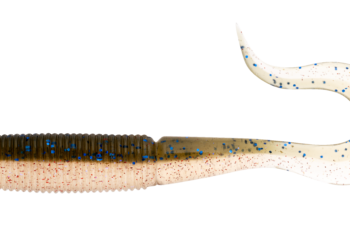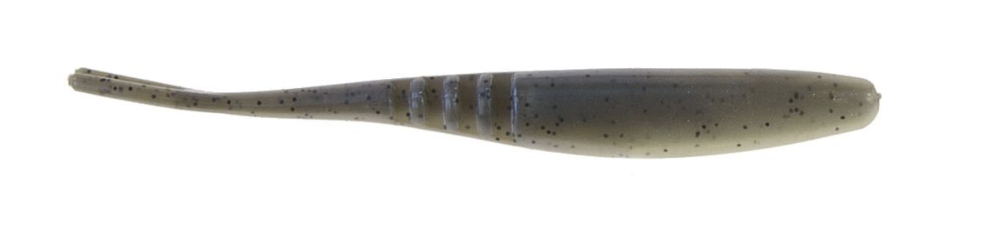
ATOMIC has streamlined the packaging for its range of Plazos soft baits Seekers jig heads. The packaging is far less bulky with less plastic and apparently has increased the shelf life of the scent and material.
The most important improvement of the plastics is the material upgrade. Atomic Polymer Flex allows greater flex in the lure, Atomic says that this will allow a more natural sink. I already really liked the previous material having plenty of success with the tail kick and fall of the lure, I have noted a slight improvement since testing the new material.
Choosing the right plastic for your style of fishing, species and general preferences can be difficult. There are a lot of options. The aspects of the Plazos that I believe make them so effective is that they are firm enough to easily rig your lure of a jig head. Once they have been used, they can be left rigged on the rod and they won’t shrink, shrivel or melt. I even like the fact that after a fish eats the lure, you can inspect the tooth marks on the body of the lure to understand what fish had a go. When chasing dsnapoper I find this particularly useful. Round puncture wounds are a sign that the target species was indentified. Grazes along the lure indicate bycatch such as red rock cod or sargent bakers. Linear tears are likely to be a tailor, and so on. Getting familiar with the teeth placement and shape of a variety of species helps to get good at picking up their calling card.
With every type of plastic there are give and take scenarios. Even thought the Plazo range has scent, it may not be as embedded into the material as other brands. I personally do not believe or rely on scent when fishing for snapper. If you do, you can always touch up your lure with some attractant after it has been used for a while. The other aspect of the Plazo that could be viewed as a drawback is that they do tear when bitten by a fish. Some plastics are incredibly durable, however, I see it as a way of identifying species.
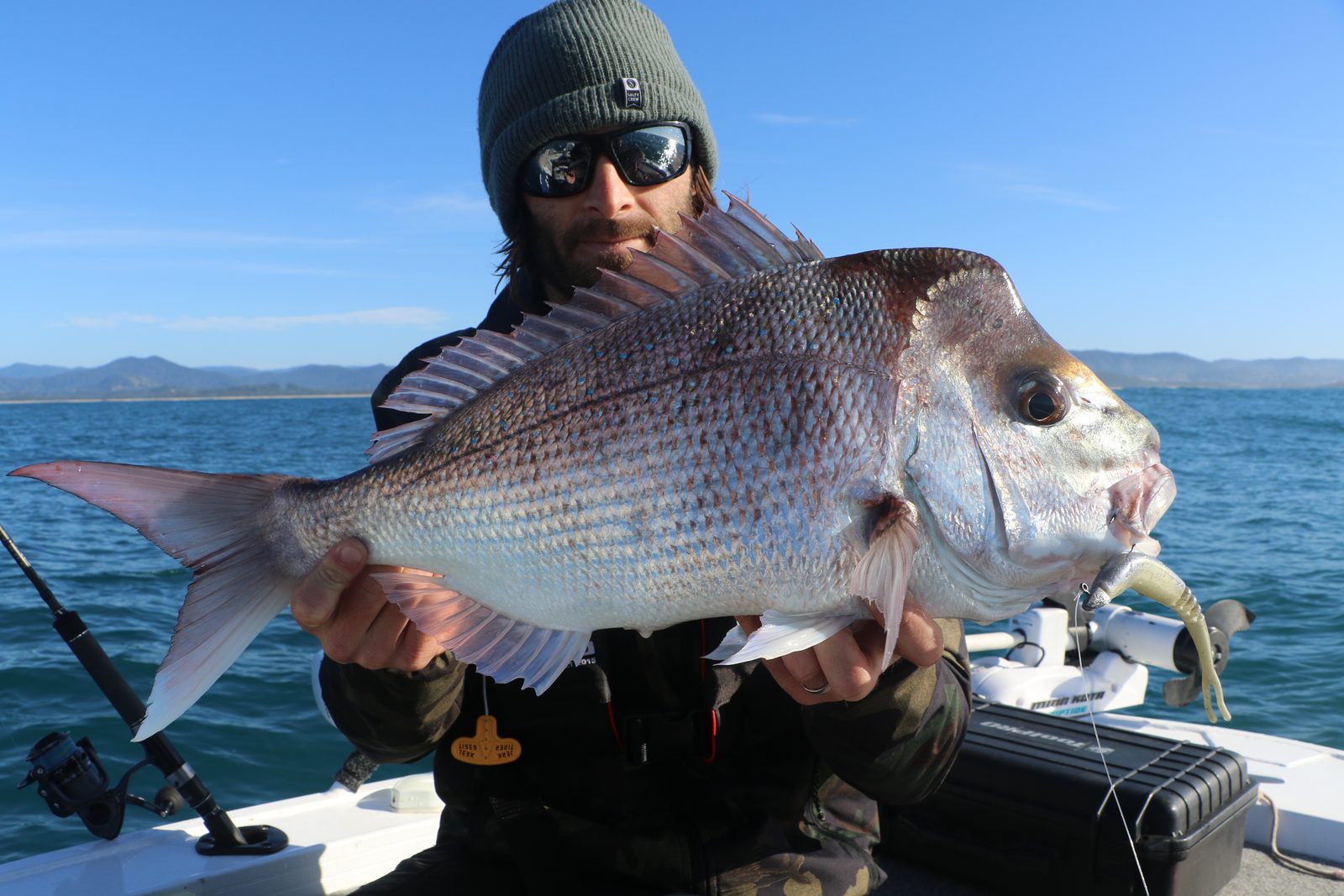
For a while Atomic had stopped making 7’ jerk minnows which is what I predominantly use for chasing snapper. Two of my favourite colours “white” and “grey ghost” (a natural bait colour) have accounted for the majority of my better fish. They were my got to colours and my friends and I are probably part of the reason they ran out. White looks like the underbelly of a fish and the silver shades of a bait fish on the grey ghost look like a lot of the bait stacked on the east coast of NSW.
Fortunately, with the new packaging and material has come a restock of all colours. My first order was large, to bring the stock back up for the Coffs Snapper Bash. The other two colours that I recommend for snapper include ghost pearl which is another natural colour, even more subtle than ‘ghost pearl’ and a good option during high visibility periods of the day. Also ‘electric chicken’ which I tend to use in murky water and low light periods of the day with the vivid pink and green colour way.
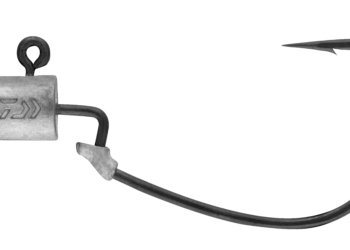
The new Seekers range have had some structural improvement. The vacuum moulded lock seems to grip plastics to keep them tight up to the jighead. They have also introduced an ‘insane heavy wire’ range which I think allows the entire range to cover all species and styles of fishing. In Coffs harbour I fish 30lb for snapper and if I am running tight drag this might be necessary, however the ‘heavy wire’ range will get the job done just as easily. I think the ‘insane heavy wire’ range is awesome for blue water pelagics or tropical species that are trying to reef you and require heavy set drags. 6/0 size fits perfectly on a 7’ jerk minnow. They are now available in up to 8/0.
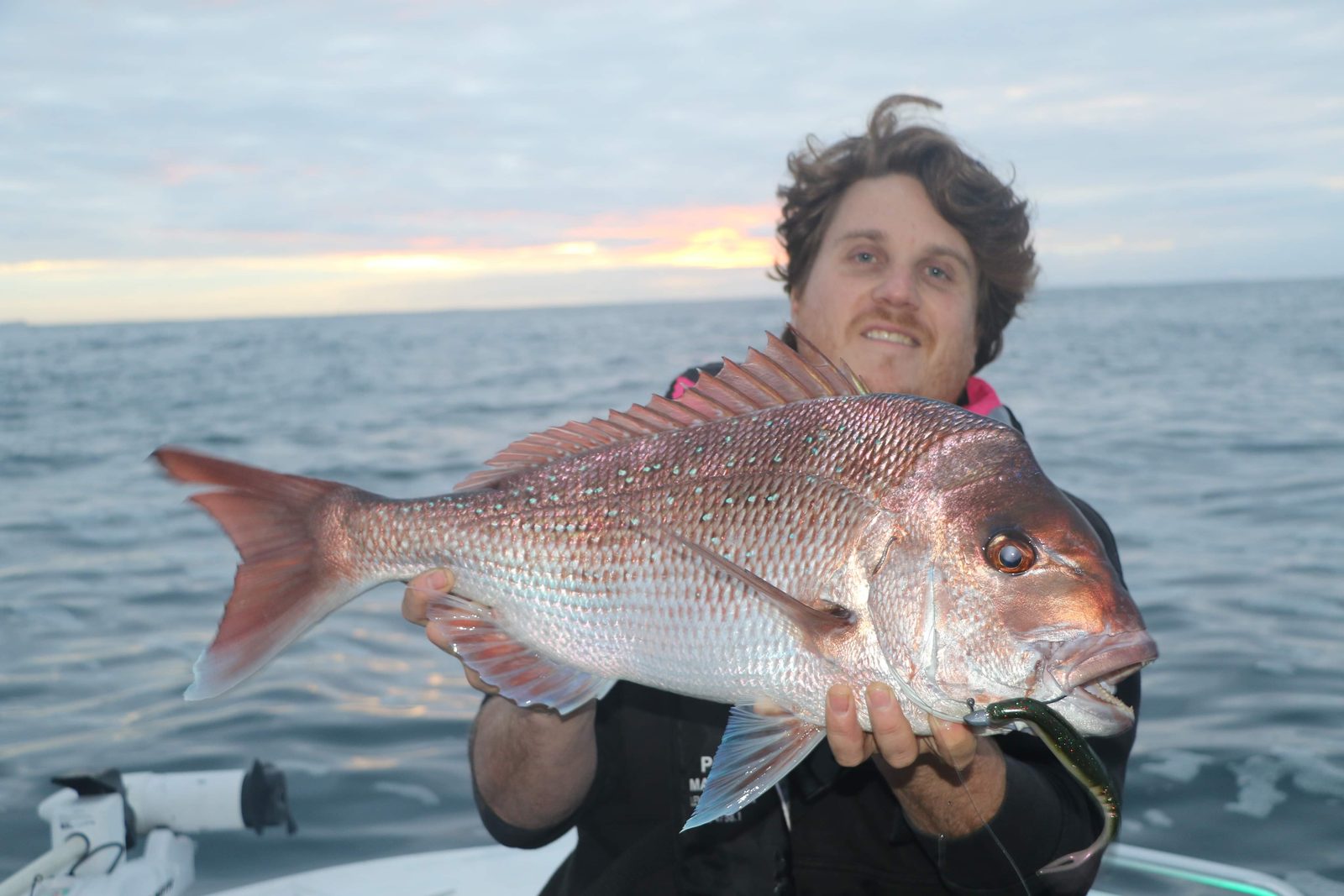
Features of the Seekers jigheads that have remained the same are the placement of the eyelet. This is aimed to keep the line pointed towards the surface reducing the risk of abrasion on the bottom. The jighead mould itself has a concave to give the lure some subtle action on the sink, keeping the body of the jighead at about 45 degrees angled downwards. Helping to pick up bites on the drop with a natural fall.
When fishing plastics I try to fish as light as possible depending on the conditions. If there is more wind or current you have add weight to increase the chances of getting to the bottom. Always cast in the direction of the drift. Here is a basic size range for depth. I start with something like this and make adjustments once dialled into the conditions:
<10m – ¼ ounce maximum
10-20m – ⅓ ounce
20-30m – ½ ounce
30-40m ¾ ounce
More info at https://www.frogleysoffshore.com.au/product-category/atomic/